
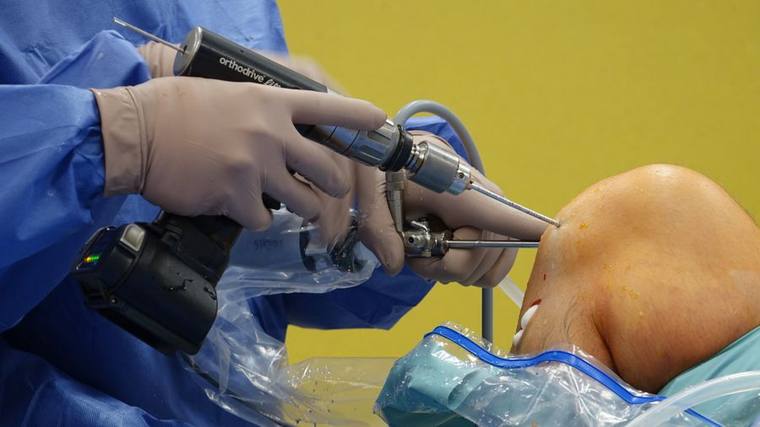
Computer-assisted and robotic systems can support component alignment and soft-tissue balancing, but the operation is still planned and performed by a surgeon. When you compare hospitals, ask about experience, protocol and rehabilitation — not just the name of the machine.

What should you ask the surgical team?
- Which system is used, and how many cases of my type has this team performed?
- What does the system change in the operative plan — alignment, balancing, or both?
- Which implant is proposed, and why for my age and activity level?
- What is the expected hospital stay and the first-week mobility plan?
- What would make you choose a conventional technique instead?
How do you plan the rehabilitation window?
A successful operation is only the start of the timeline. Ask for the rehabilitation protocol in writing: when weight-bearing starts, what physiotherapy is expected, and when it is safe to fly. Then design the trip with a recovery buffer at the end rather than a sightseeing sprint.
| Phase | Question | Trip implication |
|---|---|---|
| Pre-op | Is my imaging sufficient for planning? | May need scans on arrival |
| Inpatient | Expected stay and pain plan? | Sets hotel / ward booking |
| Rehab | How often physiotherapy? | Determines days on site |
| Return | When is air travel advised? | Drives flight date |
Frequently asked questions
Is robotic surgery always better?
Not necessarily. Suitability depends on the case and the team. Ask the surgeon to explain the reason in your situation.
Can I fly soon after surgery?
Only when the surgical team says it is safe. Air travel too early carries risks — build flexibility into your booking.
Can rehabilitation continue at home?
Often yes, with a written protocol and agreement between clinicians.